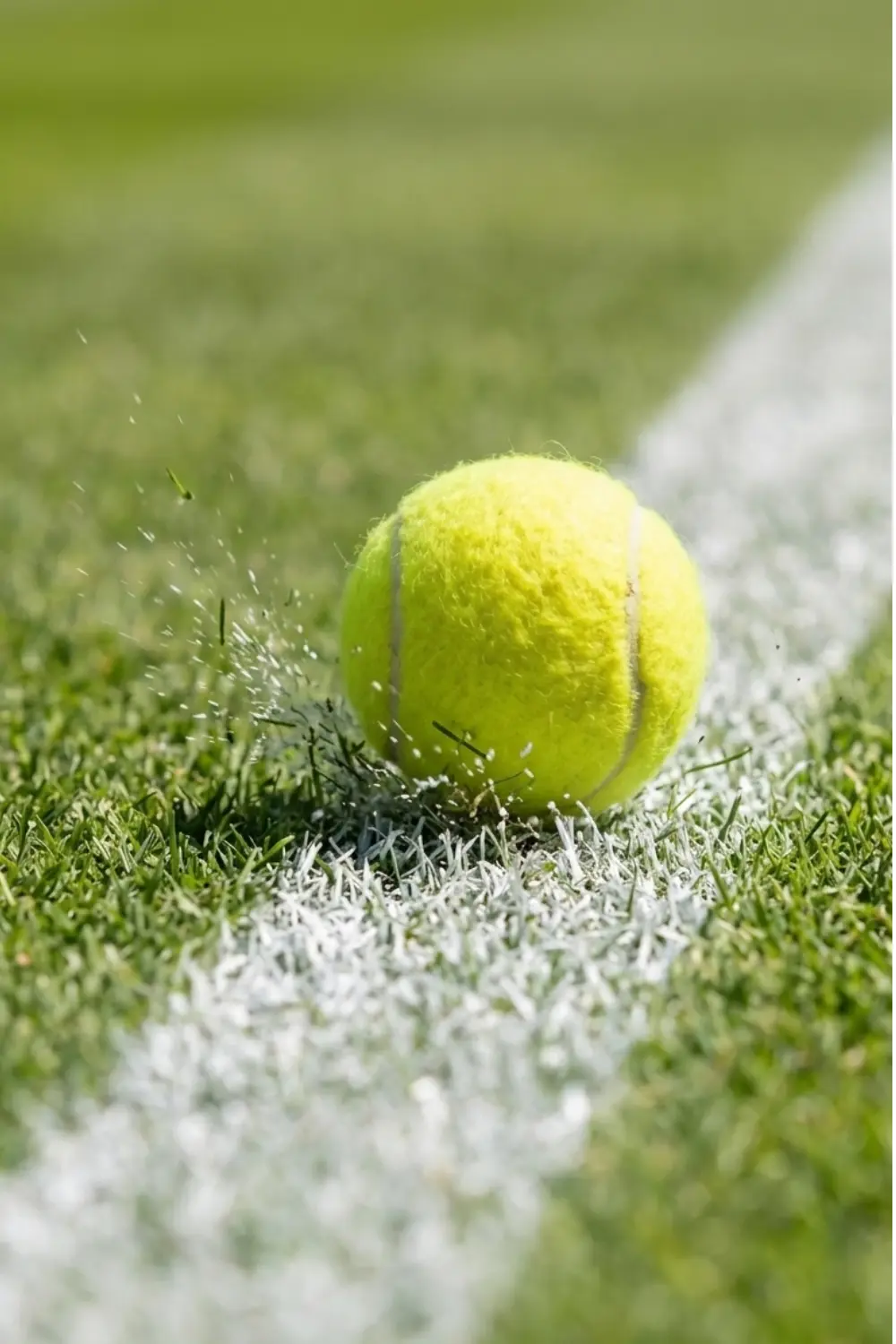
Every year, when the tennis calendar moves from clay to grass, the sport seems to change personality almost overnight: rallies get shorter, the ball stays lower, reactions become more instinctive, and shots that looked safe a few weeks earlier suddenly feel rushed, late or uncomfortable.
That is why grass court tennis is so fascinating: it is not simply tennis played on a different colour of court, but a different physical environment where the ball, the surface, the player’s movement and the racquet response interact in a very specific way.
Wimbledon is the most iconic expression of this surface, but the real story is bigger than one tournament: grass is the original tennis surface, one of the rarest in the modern game, and probably the one where small details become most visible.
To understand why, we have to look at what happens after the bounce, how friction changes the ball’s behaviour, why spin reacts differently, and why the player has less time to solve the same problems.
Grass court tennis is also a perfect reminder that performance often hides in small physical details: the way the ball rebounds, the way the strings respond, the way the frame reacts at impact, and the way a player perceives contact under pressure.
That same idea is behind AMbelievable’s 3D-printed tennis accessories: small setup changes designed to help players fine-tune the feel, stability and response of their racquet, without changing the way they play.
Fine-tune your racquet setup
Enhance feel, stability and response on grass and every other surface.
1. Grass Court Tennis: The Original Surface Behind Wimbledon
Before tennis became a global sport played mostly on hard courts and clay, grass was its natural home, and the word “lawn” in lawn tennis is not decorative: the early identity of the sport was built around grass courts, country clubs, white clothing and a style of play that rewarded quick reactions, precise footwork and attacking instincts.
Today, grass is much rarer because it is difficult and expensive to maintain compared with hard courts or clay courts, and it also changes more visibly with weather, wear and daily use.
A hard court can remain relatively consistent across many hours of play, while a grass court is a living surface that can become drier, more slippery, more worn near the baseline, or slightly different depending on how the soil underneath behaves.
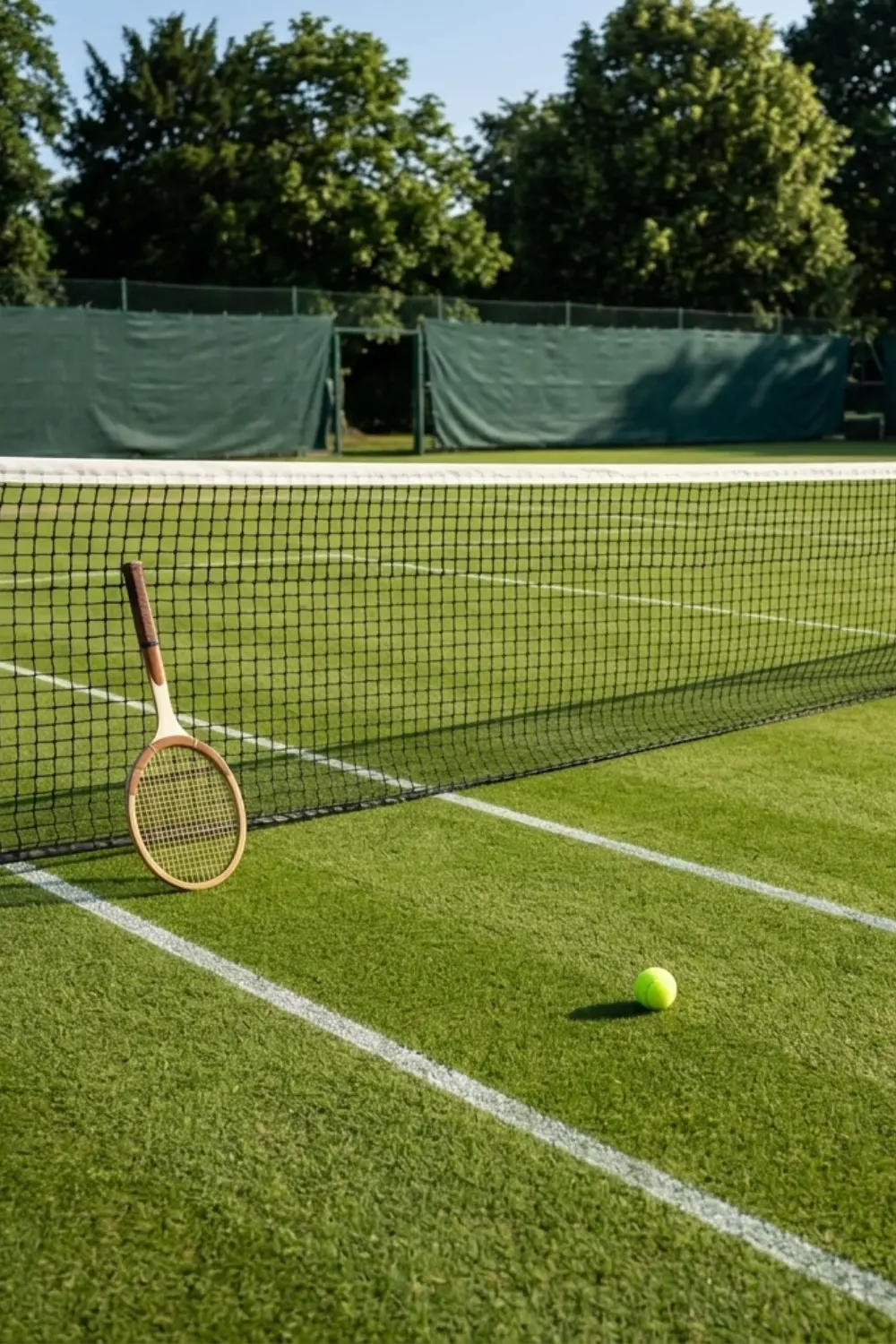
This is one reason why the grass season feels so short and special: players do not get months to adapt, and in just a few weeks they have to move from a slower, higher-bouncing surface to one where the ball stays lower, points develop faster, and hesitation is punished immediately.
So when people ask why tennis on grass is different, the answer is not only tradition, because grass does not simply change the scenery of the game: it changes its mechanics.
2. Why Does Tennis Feel Faster on Grass? It Starts With Friction
Grass court tennis is often described as “fast”, but speed in tennis is not only about how hard the ball is hit: a court feels fast when the ball keeps more of its forward speed after the bounce, giving the opponent less time to react, adjust the feet and prepare the swing.
On clay, the surface tends to grip the ball more, slowing it down and helping it jump higher, especially when heavy topspin is involved, while on grass the ball often skids more after contact with the surface, which means it does not lose as much horizontal speed and reaches the opponent sooner.
This is where friction becomes one of the key ideas: if the surface gives the ball less grip, the ball has less time to “sit up” after the bounce and the player has less time to organize the shot, so a rally on grass can feel faster even when the incoming shot is not dramatically more powerful than on another surface.
The ball arrives in a different way: lower, quicker through the court, and often closer to the body than expected, which means that the backswing has to be shorter, the first step has to be sharper, and the contact point has to be found earlier.
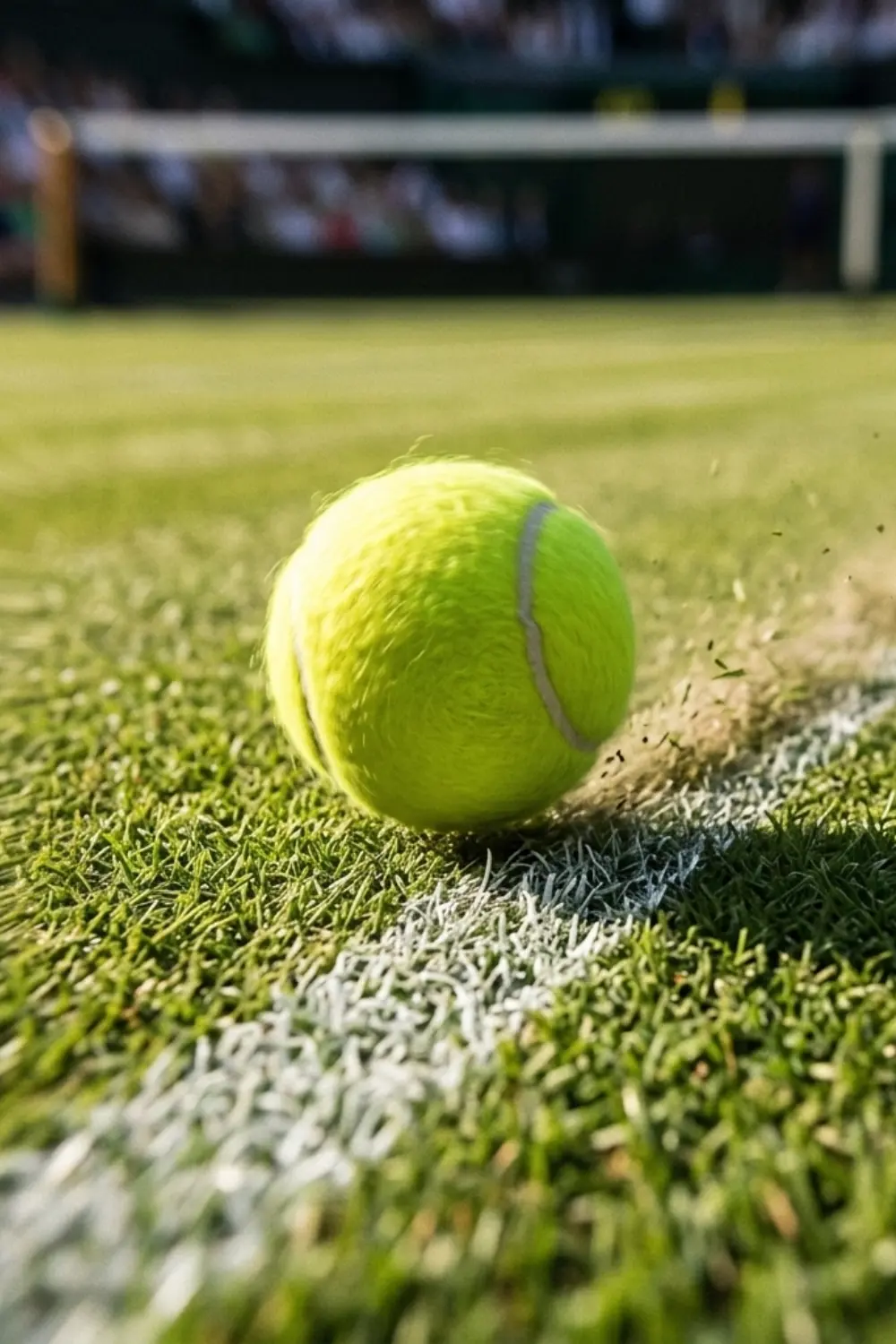
Grass does not simply reward power; it rewards players who can take time away and who can still produce clean contact when the ball refuses to rise comfortably into the strike zone.
3. Why Does the Ball Bounce Lower on Grass Courts?
The low bounce is probably the most recognizable feature of grass court tennis, because on clay players often have time to let the ball rise, load the legs, and strike from a higher contact point, while on grass that same waiting habit can become dangerous because the ball may stay low and slide forward instead of climbing into a comfortable hitting window.
This lower bounce changes the geometry of the shot: the player has to bend more, stay lower with the legs, and contact the ball closer to knee or thigh height rather than waist or shoulder height, which is why grass can make even technically strong players look slightly rushed.
The bounce is influenced by several factors, including the grass itself, the firmness of the soil underneath, the moisture of the surface and the level of wear during a tournament, and as the court gets used, some areas can become more worn and less uniform, which can make the bounce feel even less predictable.
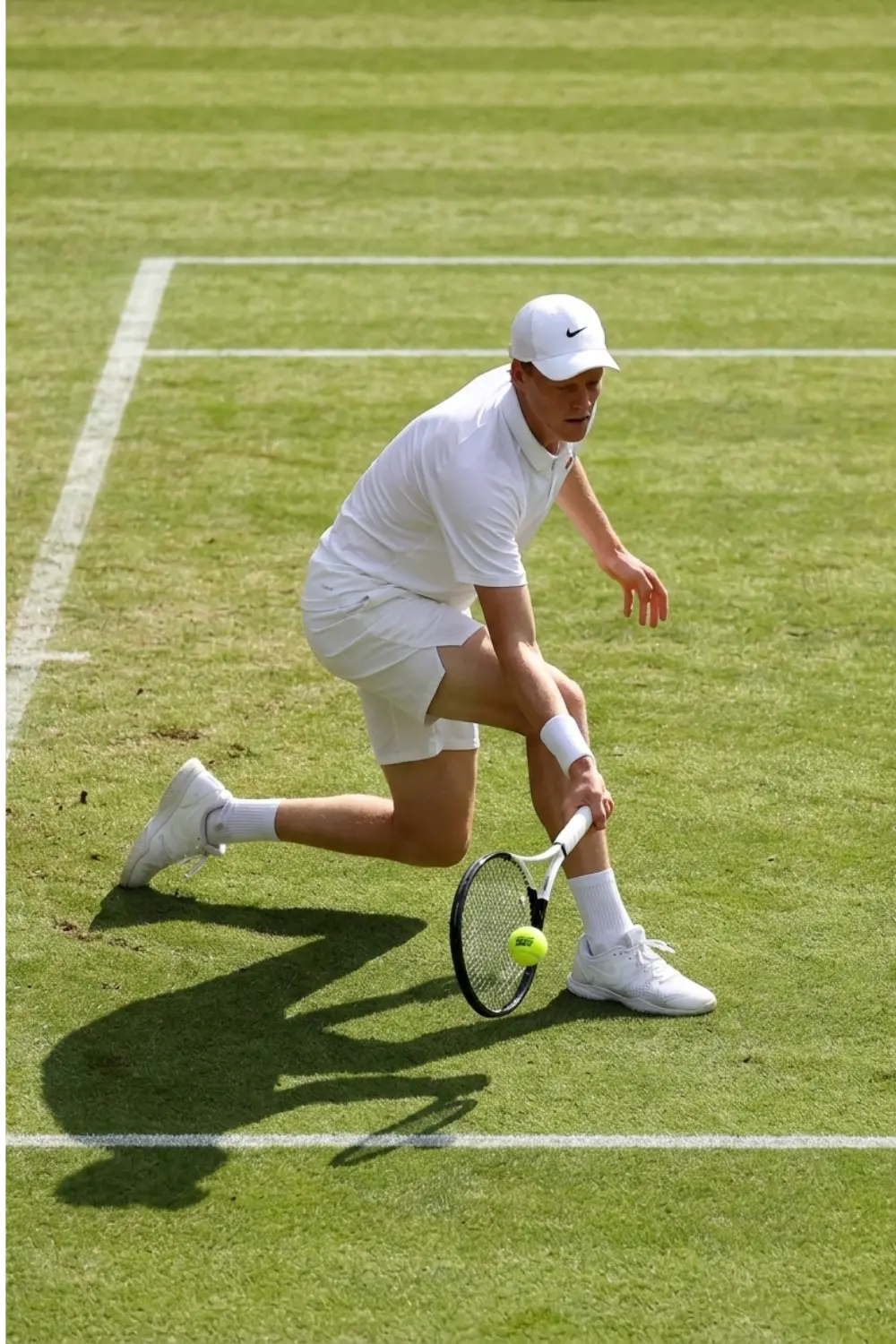
This is one of the reasons why Wimbledon can look so elegant on television and still feel extremely uncomfortable for the players, because the surface rewards clean timing but also removes time from the player, making the margin between a perfect contact and a late contact much smaller.
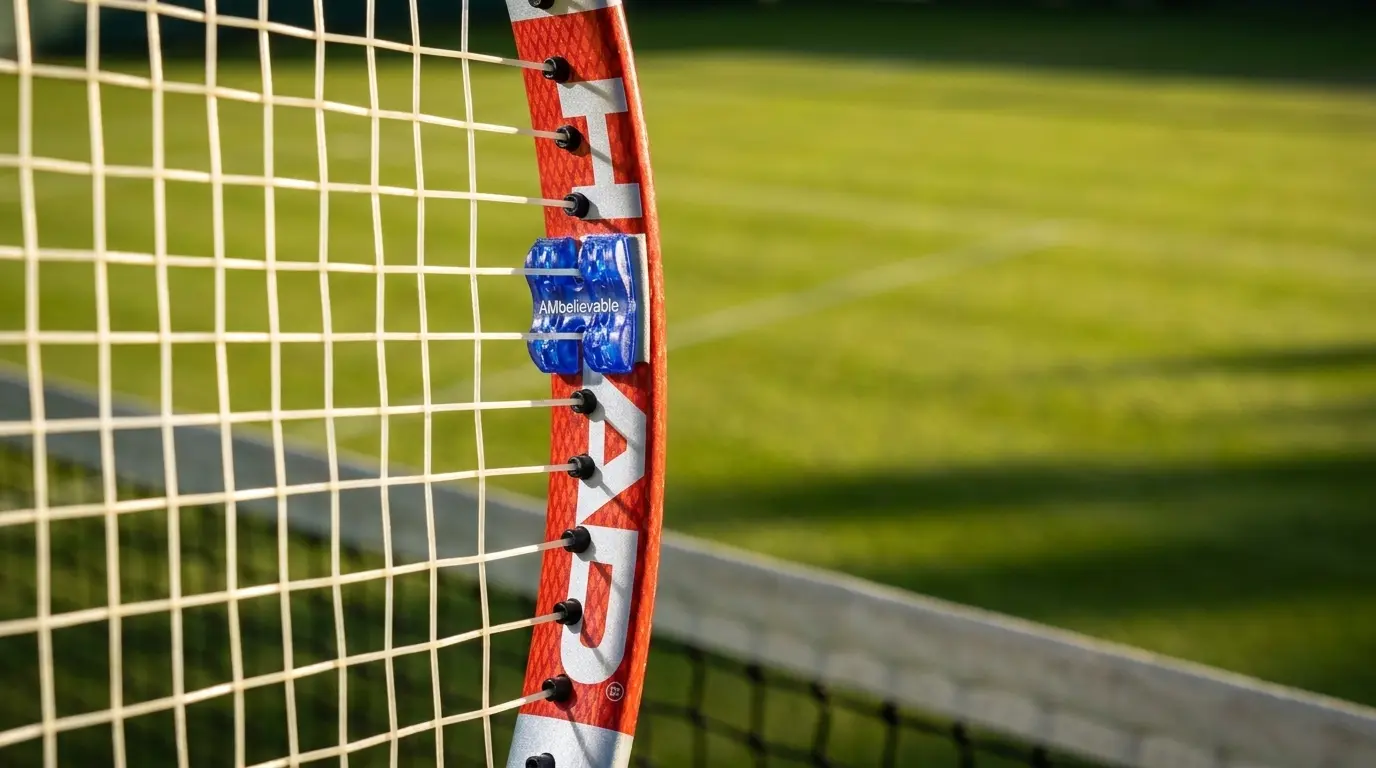
On a surface where the ball stays low and timing becomes more demanding, even a slightly late contact can make the racquet feel less stable; AMbelievable’s Torsion Balancer is designed for this kind of detail, helping stabilize the racquet on off-centre shots and letting players fine-tune balance and response without changing their natural swing.
4. How Grass Changes Spin: Why Slice Becomes So Dangerous
Spin does not disappear on grass, but it behaves differently, because on clay topspin can be devastating thanks to the way the surface grips the ball, accentuates the upward rebound, and makes the ball jump high after the bounce.
That is why a heavy topspin forehand on clay can push an opponent far behind the baseline or force a contact point above the shoulder, while on grass the same topspin shot may still be effective but usually does not produce the same high kick after the bounce.
The ball can skid more, stay lower, and move through the court in a way that makes timing the main problem rather than height, which is why slice becomes such an important shot on grass.
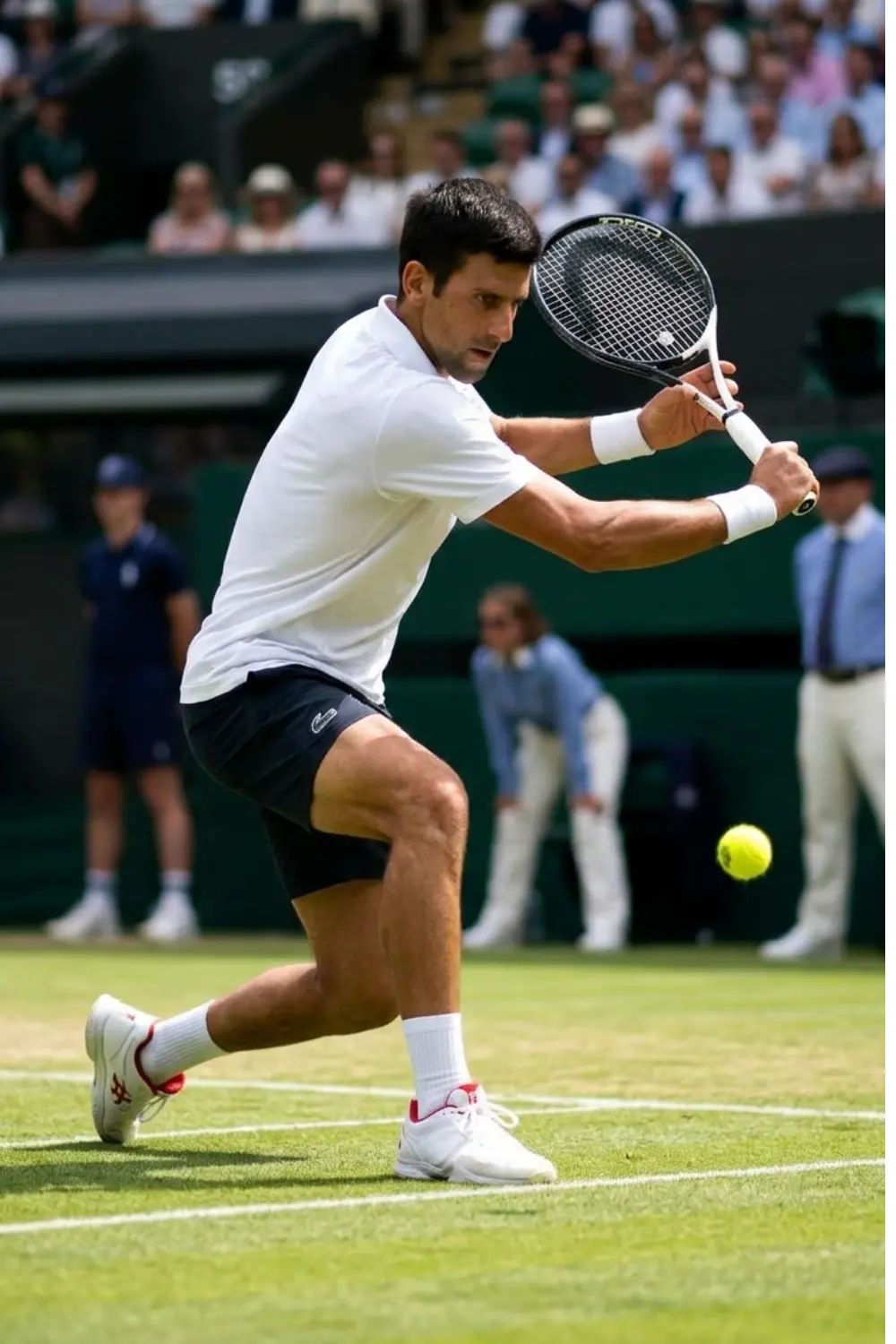
A slice already travels with a lower trajectory and backspin, and when it lands on grass it can stay extremely low, forcing the opponent to hit up from an awkward position; this makes a good backhand slice not only a defensive tool, but also an attacking shot because it takes height away from the opponent.
It can set up an approach to the net, break the rhythm of a baseline exchange, or force a weaker reply that sits up just enough for the next shot, and the same logic applies to short angles, drop shots and low volleys.
Grass rewards variation because variation changes time and height, and on this surface time and height are exactly what the opponent is trying to recover.
5. Why Serve and Volley Still Makes Sense on Grass
Grass has always been associated with serve and volley, even though modern grass court tennis is no longer only about rushing the net after every serve, and the reason is simple: on grass, the serve can become more difficult to return because the bounce stays lower and the receiver has less time to react.
A flat serve can shoot through the court, a slice serve can stay wide and low, and a body serve can become especially uncomfortable because the returner has less time to create space, but this does not mean that every player should serve and volley constantly.
What it really means is that first-strike tennis is extremely valuable on grass, because the player who controls the first two shots often controls the point, whether through a strong serve followed by a first forehand, a low return followed by a quick move forward, or a slice approach that forces the opponent to lift the ball.
Volleying also makes sense because grass often keeps passing shots lower, which can make it harder for the opponent to generate a clean passing angle from a defensive position, although modern racquets, strings and athleticism have changed the equation by allowing players to pass better, return with more pace, and defend from positions that would once have been almost impossible.
So grass is not only a nostalgic surface for old-school serve and volley tennis; it is a surface that rewards players who can shorten points intelligently, move forward at the right moment, and use the serve, return and first shot to take time away.
6. Why Movement on Grass Feels So Different
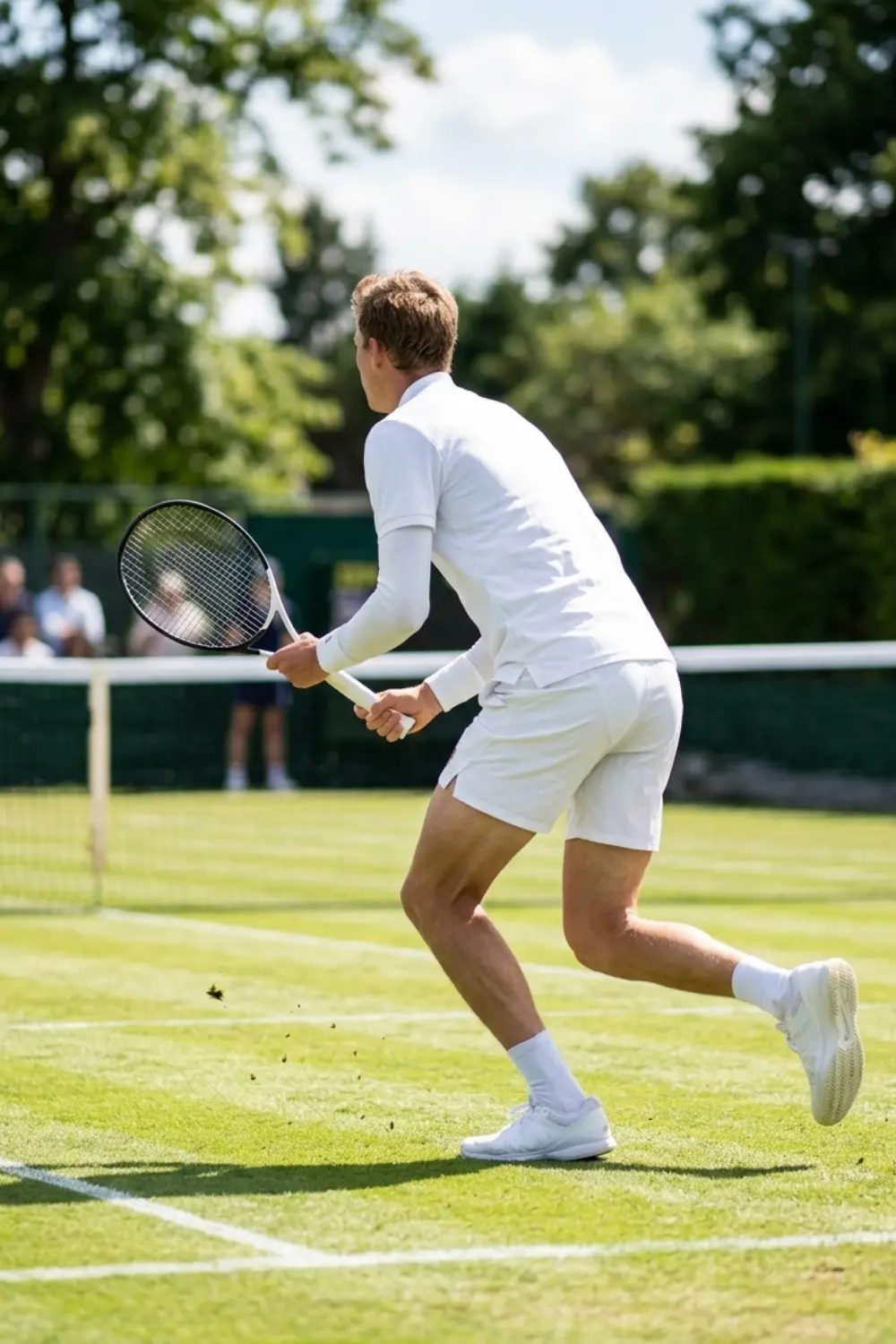
Grass changes the way the ball moves, but it also changes the way the player moves, because on clay sliding is part of the language of the surface, while on grass movement is more delicate and less forgiving.
On clay, players use sliding to brake, recover and prepare for the next shot, but on grass the surface can be slippery, especially when it is fresh, humid or worn in certain areas, so players need to stay low, use smaller adjustment steps and avoid overcommitting their body weight too early.
This is one reason why grass court tennis often rewards balance as much as speed: a player can be extremely fast, but if the first step is too aggressive or the body position is too high, the surface can make the movement unstable.
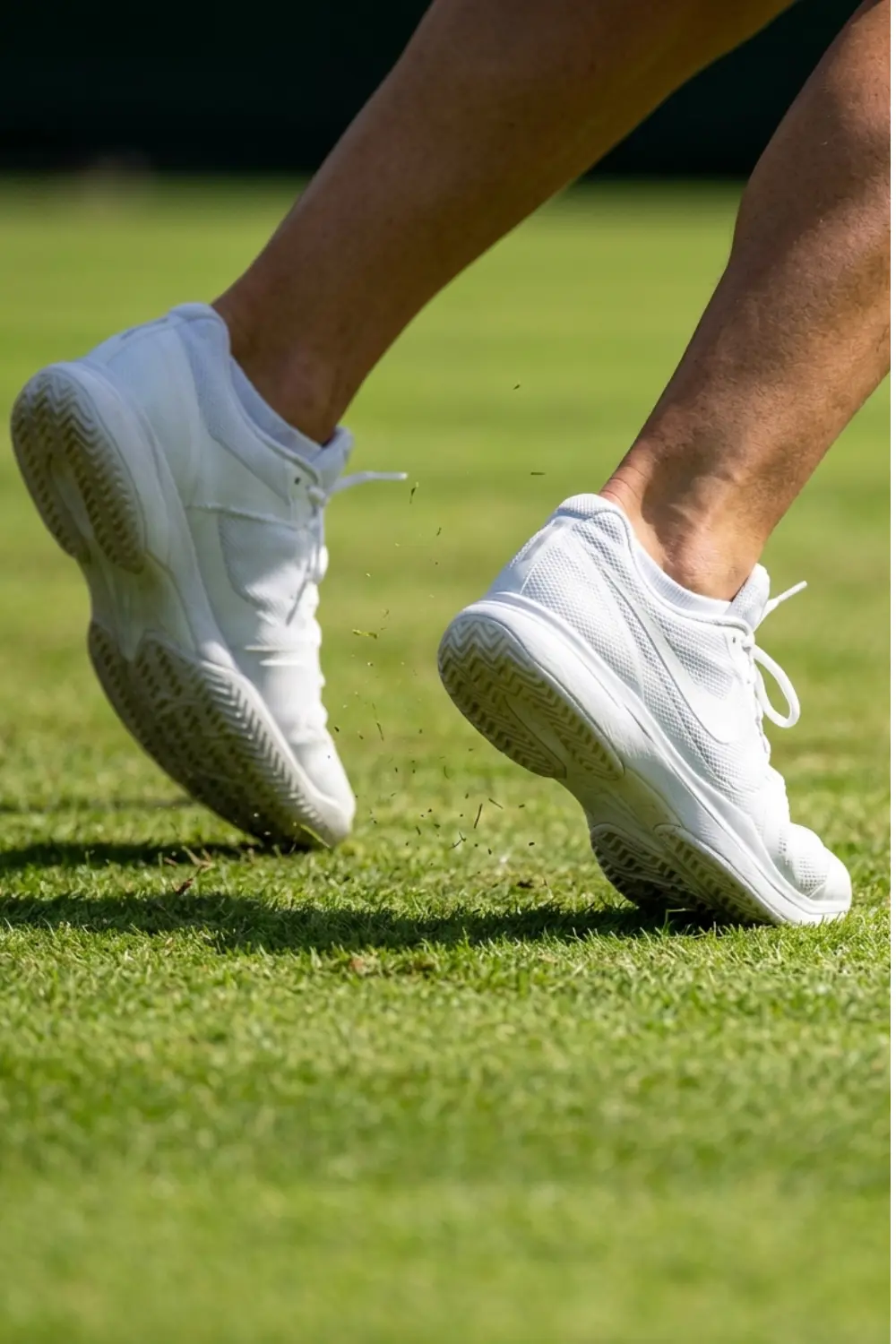
The lower bounce also forces players to bend more often, which means movement and stroke production are connected more tightly than on many other surfaces, because you cannot simply arrive near the ball; you have to arrive balanced, low and ready to hit before the ball escapes the ideal contact zone.
This is why grass can expose technical habits, since big swings, late preparation and heavy reliance on long baseline rallies can become less comfortable, while compact strokes, quick hands and good anticipation become more valuable.
In this sense, grass is not only a fast surface; it is a surface that asks the player to manage speed without losing balance.
7. When Is the Grass Court Tennis Season?
The main grass court tennis season usually takes place between the end of the clay swing and Wimbledon, which makes it one of the shortest and most intense periods of the tennis calendar.
This short window is part of what makes grass so difficult, because players spend weeks adapting to clay, where movement, bounce and point construction are completely different, and then they suddenly have to recalibrate their game for a surface that gives them less time and a lower contact point.
The transition is not just tactical; it is physical and perceptual, because the same ball that seemed to sit up on clay can now rush through the court, and the same swing that produced heavy depth can become late or imprecise on grass.
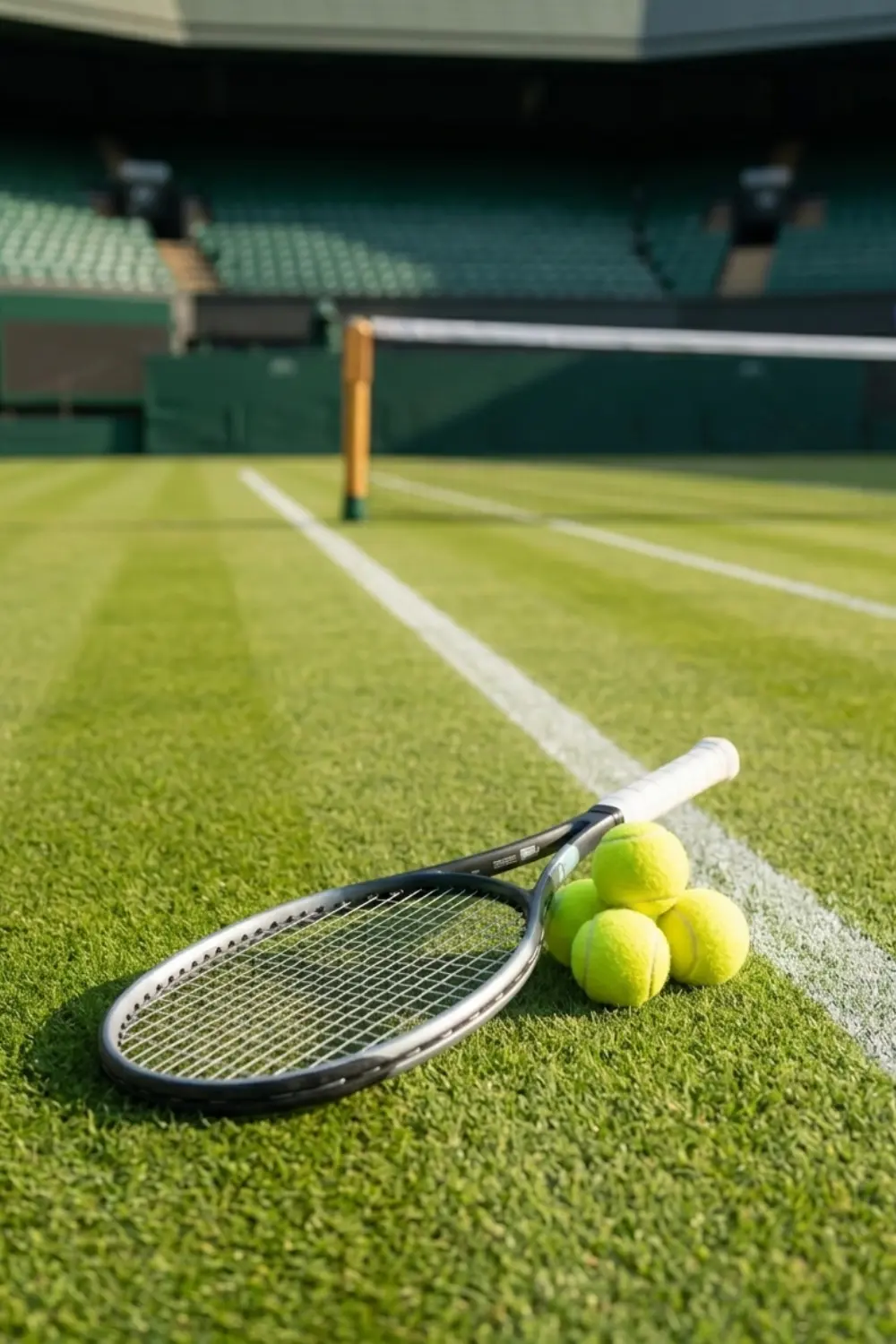
That is why warm-up tournaments before Wimbledon are so important: they give players a chance to adjust their footwork, return position, serve patterns and tolerance for shorter points, while also helping them understand how their timing feels on a surface where rhythm is harder to build.
For fans, this short grass season creates a special kind of tension, because there is less time for gradual adaptation, fewer tournaments to build confidence, and more pressure to solve the surface quickly.
That is also why grass specialists, or at least players who adapt quickly to grass, can become dangerous even if they are not the most dominant players across the full season.
8. How Amateur Players Can Adapt Their Game to Grass
Most amateur players do not play on grass often, but the surface still teaches lessons that apply to tennis in general, starting with preparation.
Because the ball stays lower and arrives sooner, waiting too long is the easiest way to lose control of the point, so a shorter backswing, earlier unit turn and lower body position can help the player meet the ball before it becomes uncomfortable.
The second lesson is shot selection, because on grass it often makes sense to use more slice, play lower over the net, serve with placement, and move forward when the opponent is stretched.
The goal is not always to hit harder; often, the smarter play is to make the ball stay low and force the opponent to lift it from an awkward position.
The third lesson is contact quality, because when timing is rushed, off-centre hits become more common, and the player becomes more sensitive to how the racquet feels at impact.
This is where setup awareness matters, because strings, tension, weight distribution and small accessories can all influence the way the racquet responds, not because they magically solve the surface, but because they change the feedback a player receives at contact.
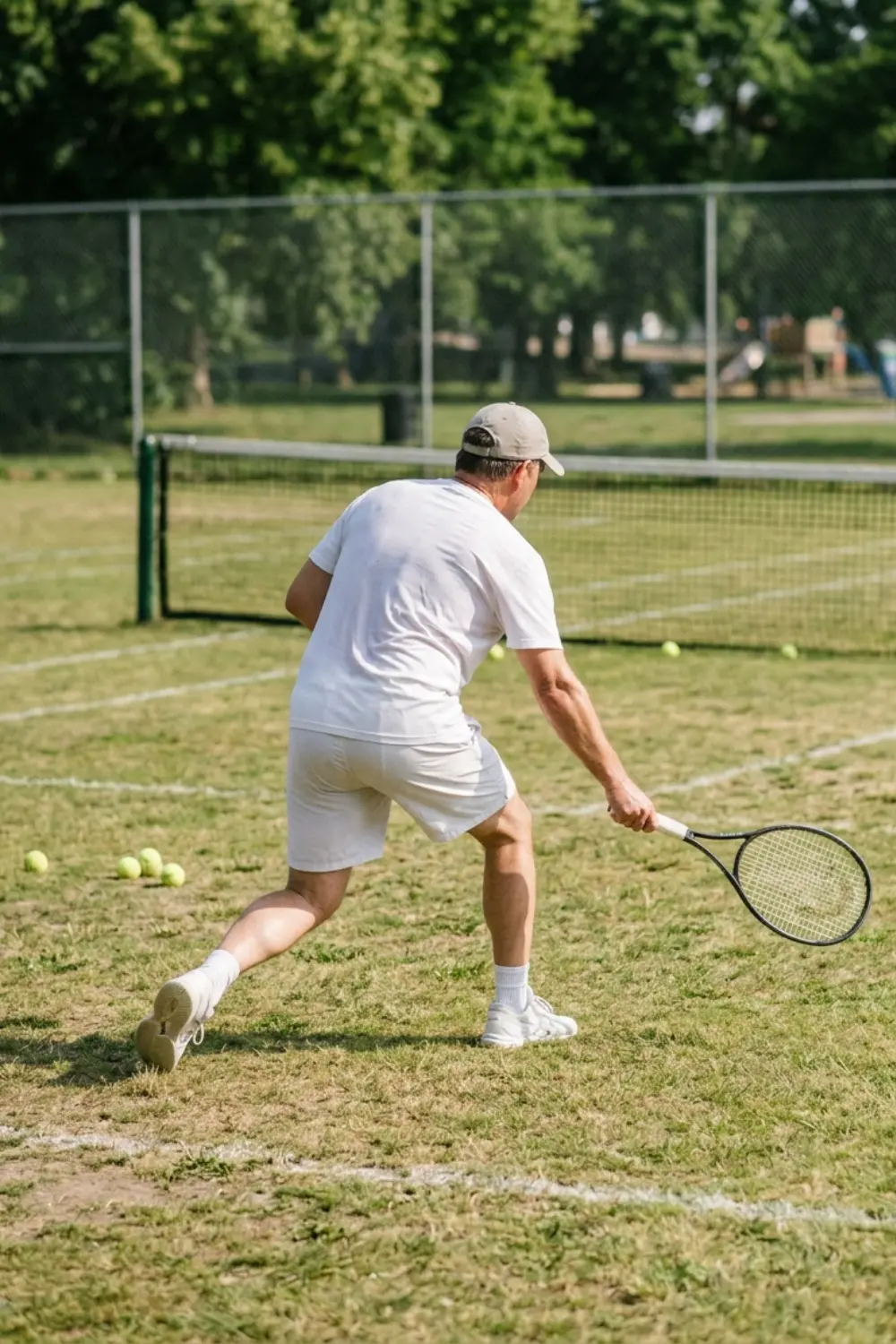
Grass makes this obvious because it gives less time to compensate, and if the player is late, unbalanced or unsure of the racquet response, the surface will reveal it immediately.
Conclusion: Grass Court Tennis Is a Game of Tiny Margins
Grass court tennis is different because it changes the relationship between speed, bounce, spin, movement and timing: the ball does not only travel fast, but behaves differently after the bounce, stays lower, skids more, rewards variation and gives the player less time to prepare.
That is why grass can make tennis look more elegant and more chaotic at the same time, because it rewards touch, anticipation and controlled aggression, but also punishes hesitation, poor balance and late contact.
Wimbledon is the most famous stage for this kind of tennis, but the fascination belongs to the surface itself, because grass is not simply a traditional surface.
It is a living, sensitive and demanding environment where small physical details become visible, and where tennis turns into a faster, lower and more precise version of itself.