
If you’ve already read our guide on energy transfer in the swing (how your body loads and accelerates the racquet), consider this the missing half of the story: what happens after you’ve generated speed, in the instant the ball actually touches the strings. (Link: “Energy transfer in the swing”)
When you hit a tennis ball cleanly, the shot can feel effortless: a solid “thump,” a stable response, depth that comes naturally. And when it doesn’t, the same swing can suddenly feel hollow — lighter ball, less penetration, more vibration, less trust.
It’s easy to blame technique. Sometimes that’s true. But there’s another bottleneck most players overlook: the impact itself. Not the preparation. Not the acceleration. The contact. In a few milliseconds, the ball compresses, the stringbed deflects, the frame begins to flex and twist, and vibrations are born. Some of your energy becomes ball speed. A meaningful part doesn’t.
If you’re already thinking about improving what happens in that contact window — not by swinging harder, but by making the collision more efficient — it’s worth knowing that some solutions are designed specifically for the stringbed impact zone. AMbelievable Auxetic Pads are one example: they’re built to stabilize the contact area and reduce energy scatter right where the ball meets the strings. (Link: AMbelievable Auxetic Pads)
1. The impact is a lossy collision, not a clean rebound
A tennis shot looks like a simple exchange: racquet meets ball, ball leaves fast. In reality, it’s a controlled collision between real materials — rubber, felt, strings, carbon composites — and real materials don’t behave like perfect springs. They don’t return everything they absorb.
At impact, energy can turn into internal deformation, friction, heat, sound, and vibration. That’s why there’s often a gap between how strong the swing felt and how heavy the ball came out. The collision is not a pass-through. It’s a conversion process — and efficiency is the key question: how much of what you generate becomes useful ball speed, versus how much gets scattered into the system.
Even when rebound looks fast, the collision can still be highly dissipative. Small changes in how the ball and strings deform — and how cleanly they recover — can noticeably shift the outcome.
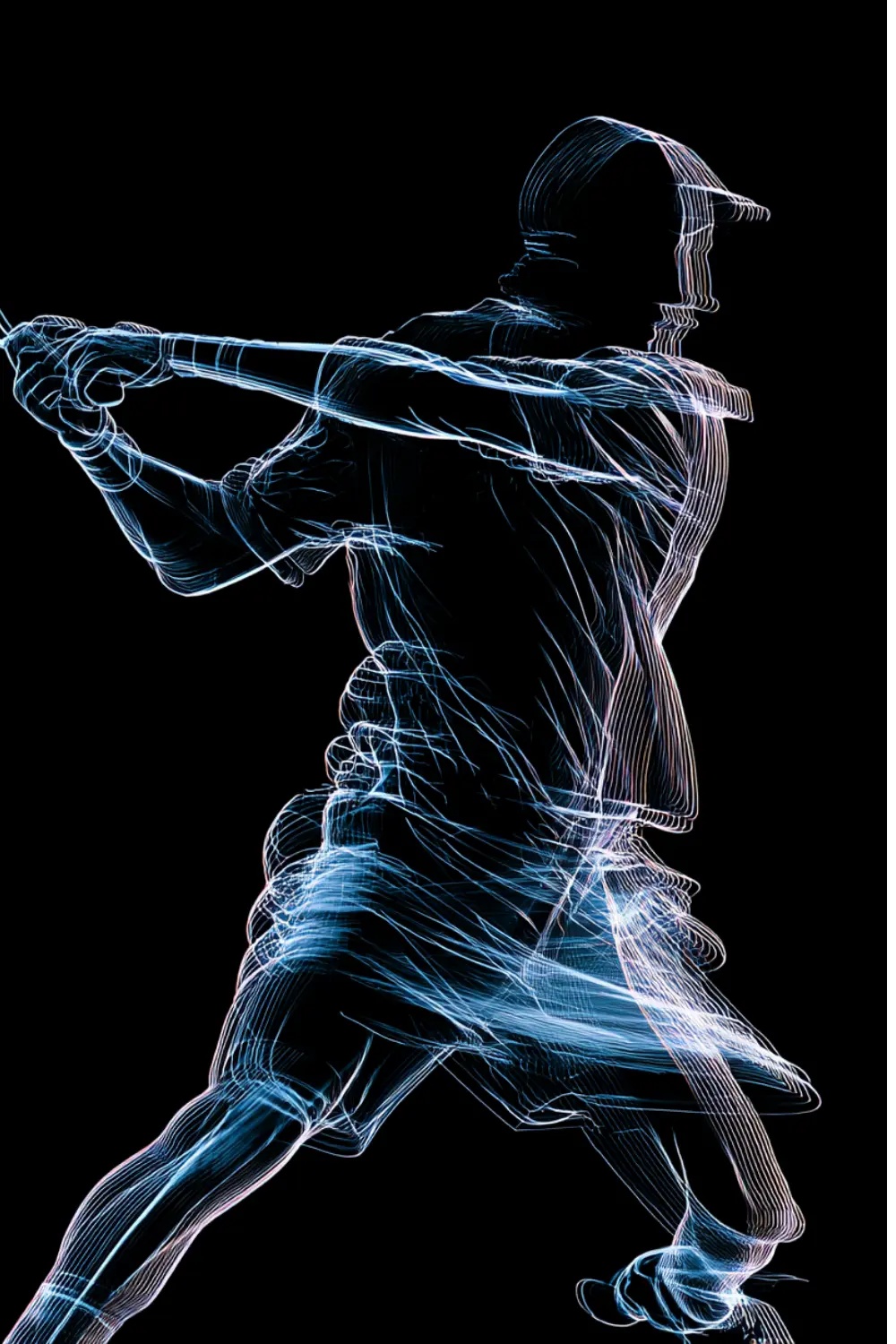
That’s why two racquets can feel equally powerful in warm-up, yet behave very differently in match conditions when contact gets messy.
2. Where ball speed gets lost: the ball, the stringbed, the frame
To understand why pace drops, it helps to separate the system into three energy sinks:
- The ball absorbs energy through compression and internal losses.
- The stringbed stores energy elastically, but can also lose it through micro-movements and friction.
- The frame flexes and twists, especially off-center, and part of the energy remains as vibration.
These three interact, but they reveal something important: even with a strong swing, impact efficiency can vary. Two setups can produce different ball speed and feel with the same stroke because the collision behaves differently.
3. The ball is the biggest “energy eater”
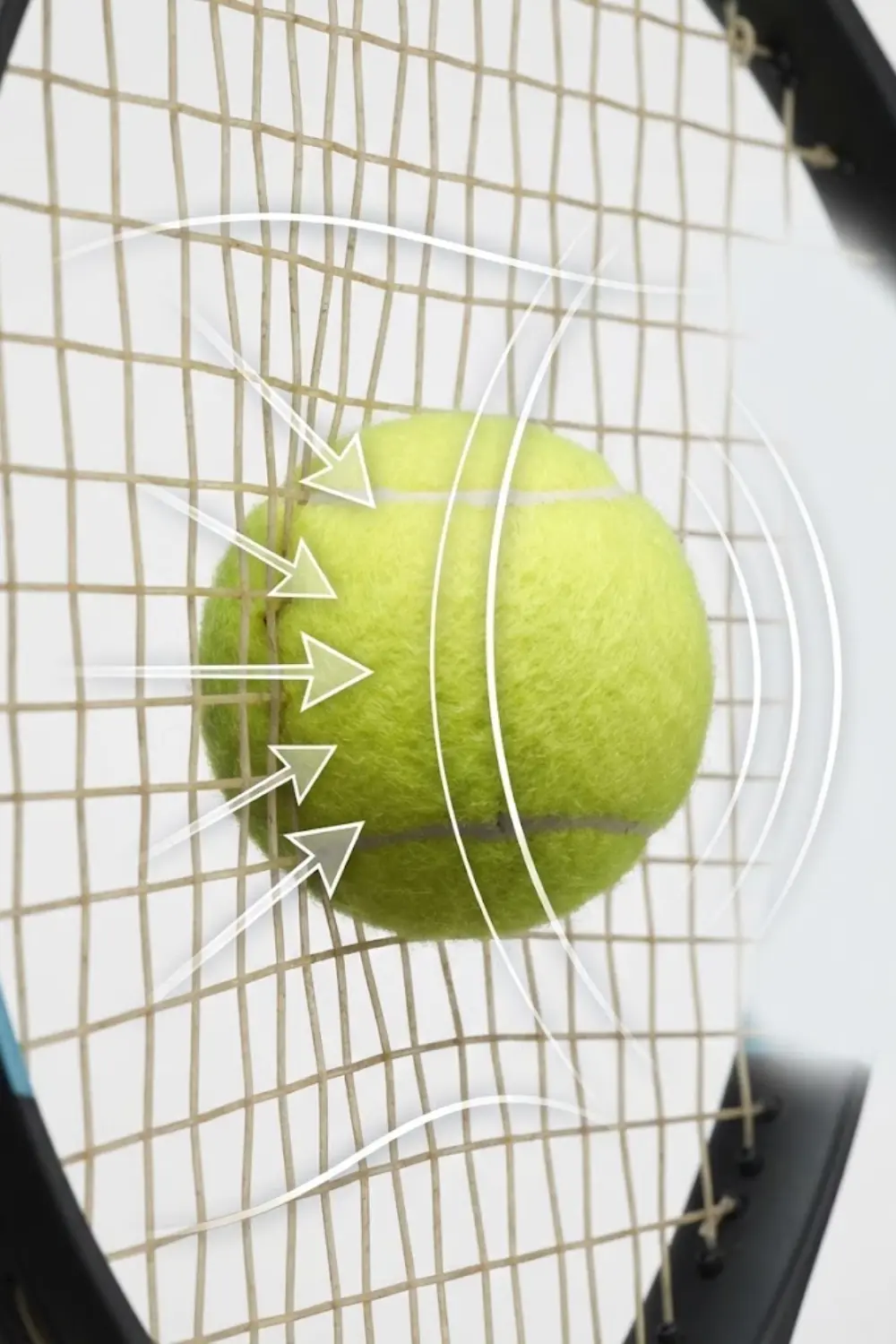
The tennis ball is designed to deform. On contact, it compresses significantly, then re-expands — but not perfectly. A portion of the energy is dissipated internally. This is why the ball doesn’t behave like an ideal elastic object: it returns only a fraction of what it absorbs, while the rest becomes heat and internal friction.
This has a practical implication for players: there is a built-in limit to how much energy can come back as rebound speed, because the ball itself is a major dissipator.
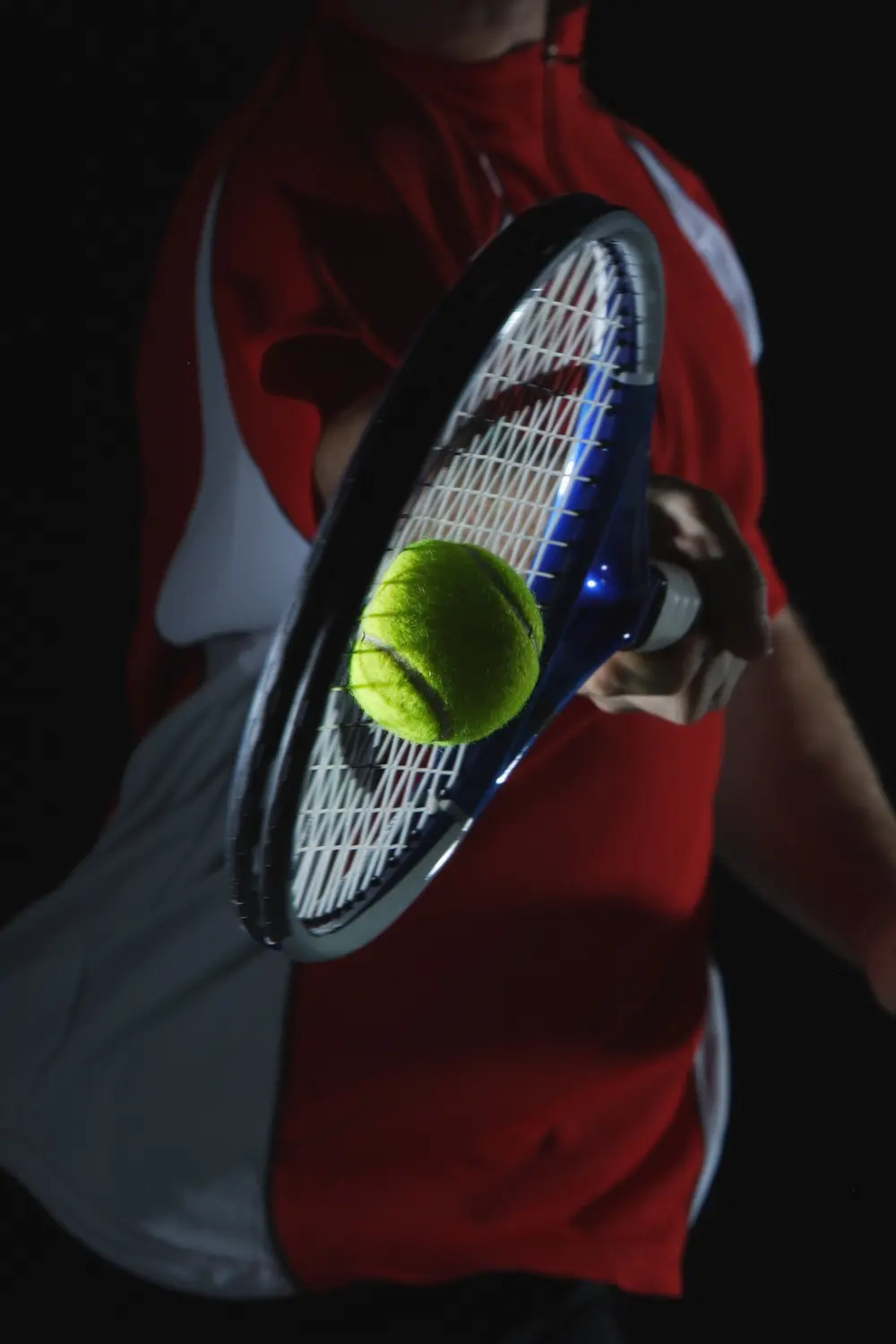
That’s also why small improvements elsewhere (stringbed stability, cleaner energy release, reduced scatter) can feel disproportionately meaningful: when less energy is wasted in the racquet, more of what remains can actually become ball speed.
4. Dwell time and micro-movements: where “full” vs “hollow” is born
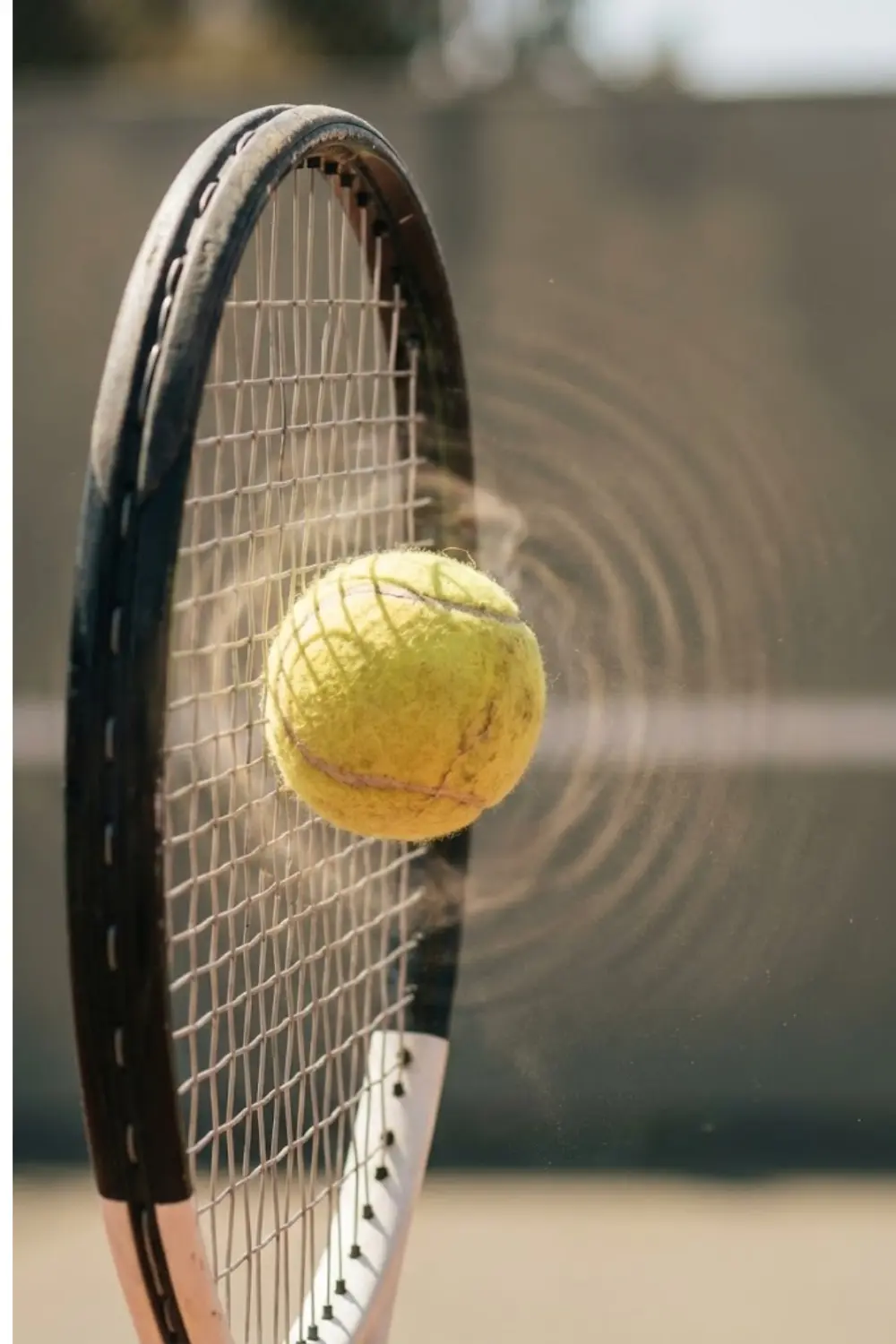
The ball stays on the strings for only a few milliseconds. That window is short, but long enough for the ball to compress, the strings to deflect, and the frame to begin vibrating. This is where feel is born — and where many hidden losses occur.
A common misconception is that power is only “trampoline.” But not all movement is useful movement. At impact, the stringbed can experience tiny local shifts and oscillations that don’t contribute to pushing the ball forward. Those micro-movements can scatter energy and reduce repeatability. You don’t feel them directly, you feel the outcomes:
You don’t feel them directly, you feel the outcomes:
- the ball comes out a little lighter than expected
- the response varies more from session to session
- the racquet feels less predictable under pressure
Efficient contact isn’t “no deflection.” It’s deflection that returns cleanly and consistently, without extra scattered motion. Trampoline can feel lively. Efficiency feels solid.
This is also why “power” and “control” don’t always trade off as much as people think. When the contact zone becomes more coherent, players often report both a fuller response and improved predictability, because rebound is driven by cleaner energy return rather than scattered micro-motion.
5. Off-center hits: why pace drops and shock rises
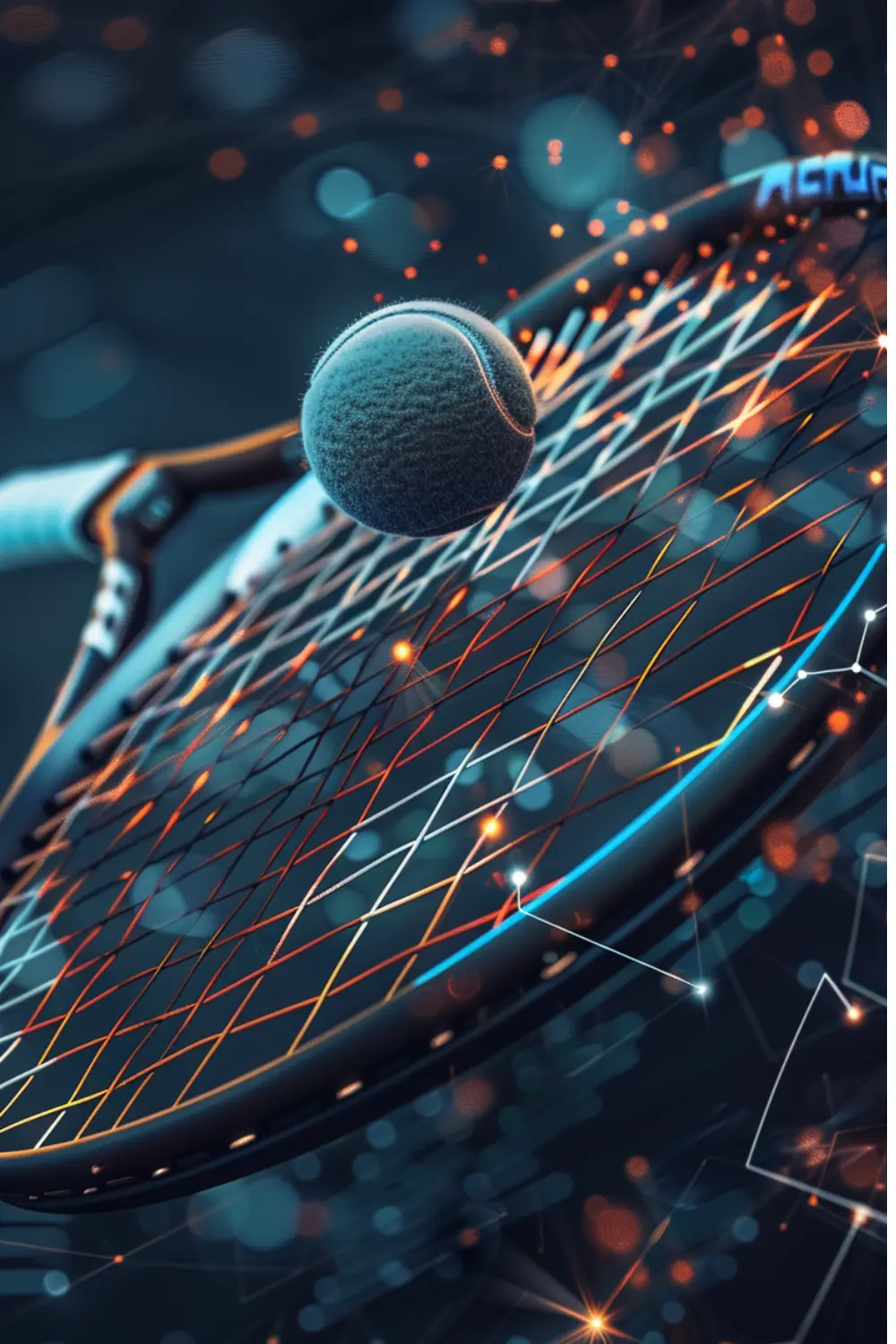
Off-center impacts are where losses spike. When contact moves away from the sweet spot, the frame twists more, the stringbed response becomes less uniform, and vibration behavior becomes more complex.
More energy gets pulled into torsion and residual vibration — and less remains for ball speed.
That’s why off-center hits often feel harsher and come off slower, even when your swing speed was there. It’s not only a comfort issue. It’s a conversion issue: more twist and more scattered vibration usually mean less energy becomes shot output.
A setup that stays stable off-center isn’t necessarily “stiffer everywhere.” It’s often better controlled dynamically right where impact happens.
6. A targeted approach: AMbelievable Auxetic Pads
If impact efficiency depends on what happens in the contact zone, then the most direct lever is improving how that zone behaves under load.
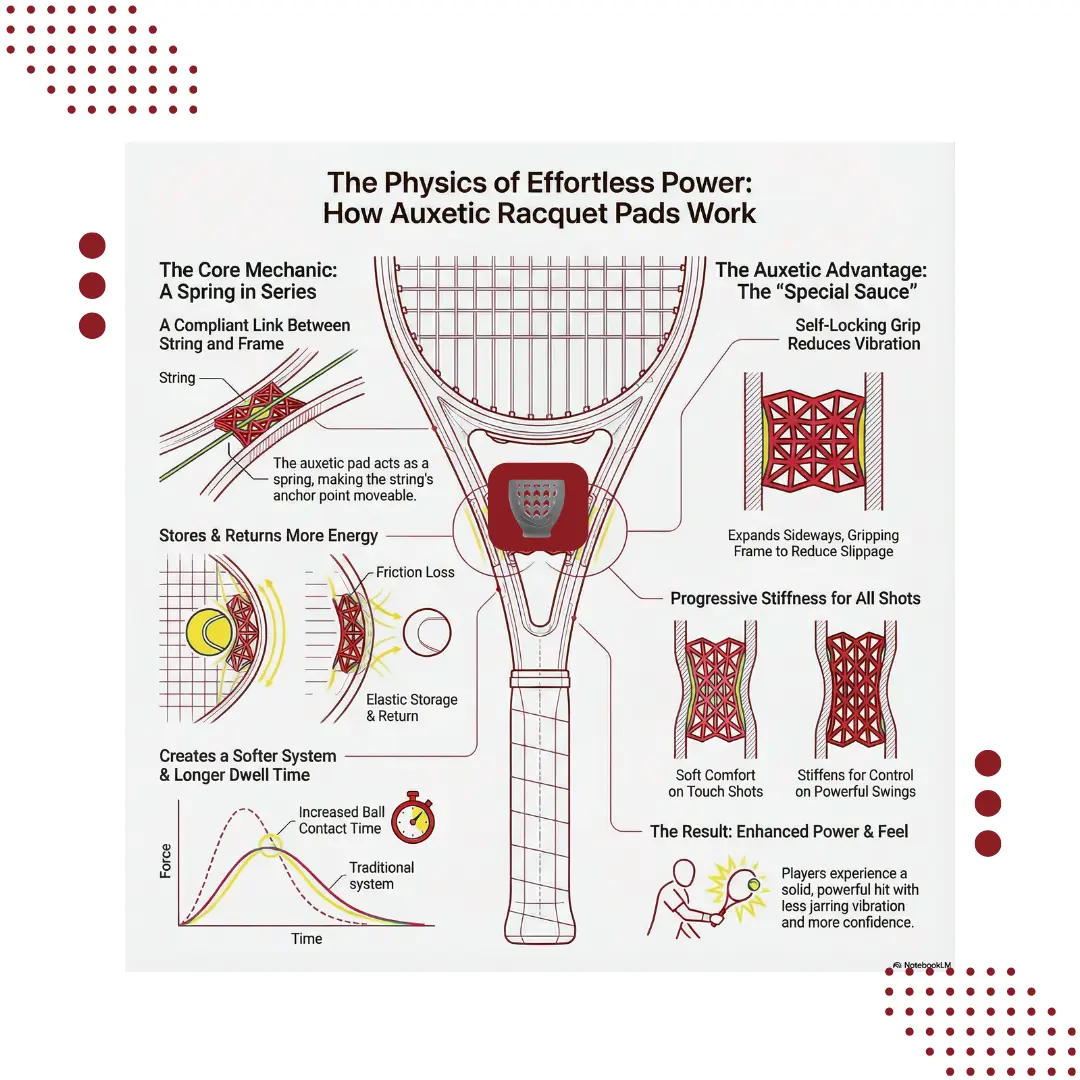
AMbelievable Auxetic Pads are designed to act precisely where micro-movements, deformation, and vibration begin — at the stringbed impact region.
Their internal auxetic metamaterial structure is engineered to respond dynamically under compression, helping stabilize the contact area and make energy return feel more coherent and controlled.
If you want to explore how this works in detail, you can find them here.
Conclusion: Impact efficiency is the hidden half of performance
In this article, we focused on what happens in the milliseconds of contact — the moment when ball compression, stringbed deflection, frame flex and torsion, and vibration all compete for the same energy. That’s where ball speed can be lost, feel can turn hollow, and off-center hits can drop off faster than your swing would suggest.
The key idea is simple: power is not only about how much energy you generate, but how efficiently the impact converts it into rebound speed. When energy is scattered into micro-movements, friction, and residual vibration, the shot comes out lighter. When the contact zone behaves more coherently, the same stroke can produce a fuller, more stable response.
If you’re optimizing your setup, think in impact terms: dwell time, stringbed micro-movements, off-center torsion, and vibration control. That’s exactly the performance space where targeted solutions like AMbelievable Auxetic Pads fit — designed to act where the collision happens, so more of what you create becomes ball speed and clean feel.